The Legal Framework of Corporate & Operative Liability
Under established penal codes and vehicle compliance statutes, an individual or corporate entity can be found guilty of Criminal Negligence or Reckless Driving if they operate—or direct another person to operate—a commercial vehicle with a known, unmitigated safety defect or an unmitigated structural hazard.
To establish a finding of criminal or civil liability, the court evaluates four distinct pillars:
I. THE SCOPE OF AUTHORITY
The corporate entity or supervisor assumed the responsibility to deploy, route, and manage commercial motor vehicles on public roads.
II. OMISSION OF REASONABLE STEPS
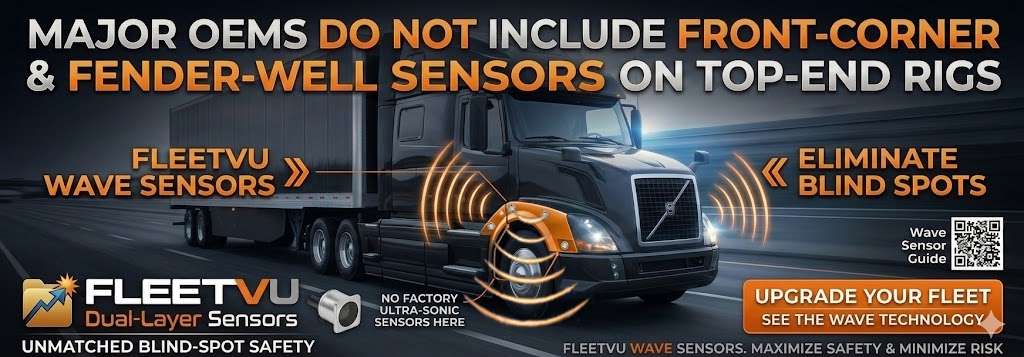
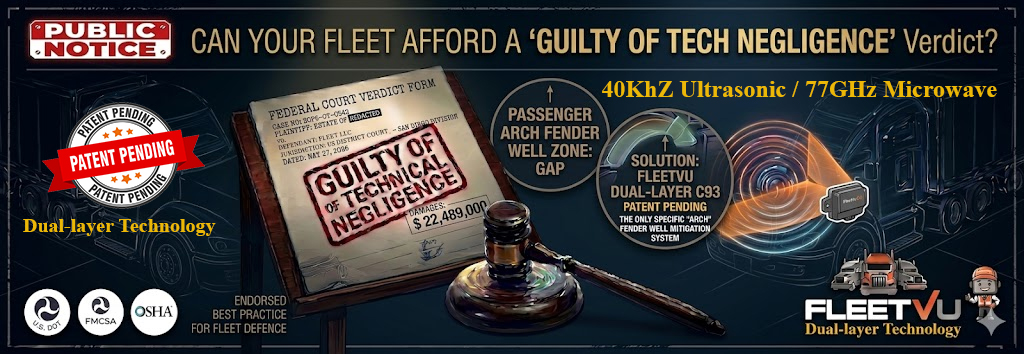
The entity failed or omitted to implement available, reasonable technical safeguards to mitigate known, life-threatening visibility gaps or blind spots.
III. A MARKED DEPARTURE FROM PRUDENCE
The decision to run unmitigated assets represents a substantial, unjustifiable risk that a reasonably prudent fleet operator would recognize as an imminent danger to public safety.
IV. FORESEEABLE PROXIMATE CAUSE
The known technical omission or structural blind spot was a direct or contributing factor in a collision resulting in severe bodily harm, property damage, or loss of life.